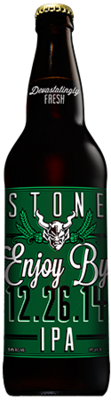
This exquisite liquid patchwork of more than a dozen hops is a devastatingly fresh double IPA. Freshness is a key component of many beers – especially big, hoppy IPAs – but we've taken it further, a lot further, with this one. We brewed this IPA specifically NOT to last. We've gone to extensive lengths to ensure you get your hands on this beer within an extraordinarily short window, and we've…

This exquisite liquid patchwork of more than a dozen hops is a devastatingly fresh double IPA. Freshness is a key component of many beers – especially big, hoppy IPAs – but we've taken it further, a lot further, with this one. We brewed this IPA specifically NOT to last. We've gone to extensive lengths to ensure you get your hands on this beer within an extraordinarily short window, and we've…
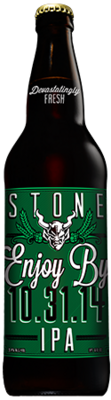
This exquisite liquid patchwork of more than a dozen hops is a devastatingly fresh double IPA. Freshness is a key component of many beers – especially big, hoppy IPAs – but we've taken it further, a lot further, with this one. We brewed this IPA specifically NOT to last. We've gone to extensive lengths to ensure you get your hands on this beer within an extraordinarily short window, and we've…
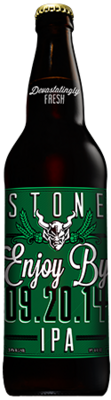
This exquisite liquid patchwork of more than a dozen hops is a devastatingly fresh double IPA. Freshness is a key component of many beers – especially big, hoppy IPAs – but we've taken it further, a lot further, with this one. We brewed this IPA specifically NOT to last. We've gone to extensive lengths to ensure you get your hands on this beer within an extraordinarily short window, and we've…
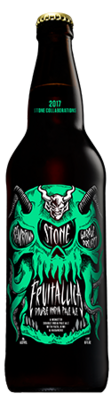
Glorious-crank-it-to-‘11’-cacophony is what happens when intense tropical fruit gets a flashpot addition of pyrotechnic heat from habanero. The result is a literal world tour, as three globe-trotting breweries collaborated on this immensely thunderous soundstorm of a beer.
Masters of brewing Beavertown (UK) and Garage Project (New Zealand) worked with us in San Diego to brew this double IPA…
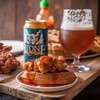
Redefining comfort food one beer at a timeAs if chicken and waffles isn't already an iconic duo of classic southern decadence, we asked ourselves what could we possibly do to make it better. We may have set ourselves up for some high expectations, but we sure didn't disappoint. It wasn't hard to figure out once we linked up with…

Somewhere along the line, lagers got a reputation for being a bland and boring style of beer. But when done right, a great lager celebrates everything craft beer should be. We’re still Stone. This is a hopped-up, bold, flavorful lager. So crack one open and revel in this self-entitled beer.
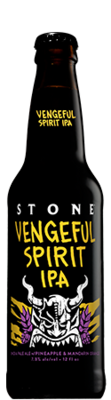
We’ve often been inspired to brew beers on a theme. In 2007 it was black IPAs. 2008 saw Belgian-influenced IPAs, and more than once it’s been Triple IPAs. It’s been fun to dive deep, and you’ve ridden those waves right along with us. But like you, we also crave new breaks to surf. Right now, it’s tropically-inspired IPAs as represented both by this flavored ale, Stone…
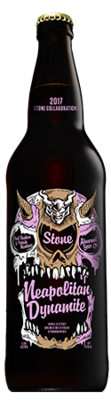
San Diego may be best known for its hop-forward IPAs, but this county has a long and proud history of stouts, porters and the dark arts. Case in point, the winners of this year’s American Homebrewers Association-sanctioned Stone Homebrew Competition: Paul Bischeri & Patrick Martinez and their champion creation, Neapolitan Dynamite. For our additional collaborator, we enlisted noted Stout…

Flying with beer? It's easier than you might think. Stone Brewing co-founder and Executive Chairman Greg Koch does it all the time, even on international flights. Here are his tips for transporting beer when traveling by plane and how to make your own safe & secure beer travel box.
https://www.youtube.com/watch?v=bU0G-fMdhGo
We've also figured out some approximate weights of bottles to…