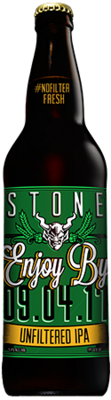
Our all-important, hop- driven quest to deliver the most devastatingly fresh IPA on the planet facilitated a paradigm shift in 2012 with the launch of Stone Enjoy By IPA. Not only did we brew this beer with more than 10 different hops, we brewed it specifically NOT to last. For this version of Stone Enjoy By IPA, we thought: “We don’t always have a filter, so why should our beer?” By skipping a…
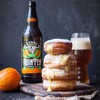
YOU'RE GUARANTEED TO HOG these BEER DOUGHNUTS ALL TO YOURSELFWhat happens when craft IPA meets doughnut? Greatness, that’s what. Again, our cohort in all things packed with flavor, The Beeroness has made the unimaginable happen at our behest. This lip-smacking puffy doughnut uses beer in the batter itself and is then piped…
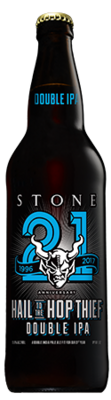
The big wide world inspires our imagination and fuels our passions. Anything from music, film, beer, literature, architecture, food, engineering, poetry…all art forms essentially, including more beer. We steal with any and all things that possess the one value that we hold most dear: authenticity. The important thing of course is that ‘It’s not where you take things from – it’s where you take…
Instead of creating a big buildup about the rebrew of the richly roasty, chocolate-heavy Stone 12th Anniversary Bitter Chocolate Oatmeal Stout, let’s just dig right in with a quote about this beer’s recipe from our president, co-founder…
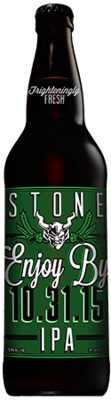
This exquisite liquid patchwork of more than a dozen hops is a devastatingly fresh double IPA. Freshness is a key component of many beers – especially big, hoppy IPAs – but we've taken it further, a lot further, with this one. We brewed this IPA specifically NOT to last. We've gone to extensive lengths to ensure you get your hands on this beer within an extraordinarily short window, and we've…
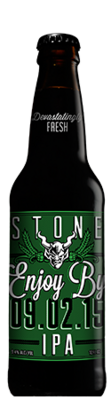
This exquisite liquid patchwork of more than a dozen hops is a devastatingly fresh double IPA. Freshness is a key component of many beers – especially big, hoppy IPAs – but we've taken it further, a lot further, with this one. We brewed this IPA specifically NOT to last. We've gone to extensive lengths to ensure you get your hands on this beer within an extraordinarily short window, and we've…
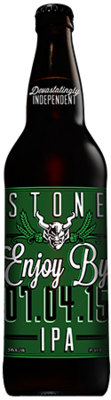
This exquisite liquid patchwork of more than a dozen hops is a devastatingly fresh double IPA. Freshness is a key component of many beers – especially big, hoppy IPAs – but we've taken it further, a lot further, with this one. We brewed this IPA specifically NOT to last. We've gone to extensive lengths to ensure you get your hands on this beer within an extraordinarily short window, and we've…
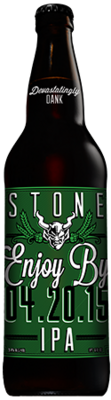
This exquisite liquid patchwork of more than a dozen hops is a devastatingly fresh double IPA. Freshness is a key component of many beers – especially big, hoppy IPAs – but we've taken it further, a lot further, with this one. We brewed this IPA specifically NOT to last. We've gone to extensive lengths to ensure you get your hands on this beer within an extraordinarily short window, and we've…
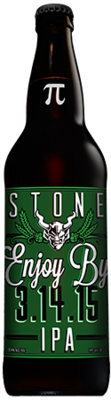
This exquisite liquid patchwork of more than a dozen hops is a devastatingly fresh double IPA. Freshness is a key component of many beers – especially big, hoppy IPAs – but we've taken it further, a lot further, with this one. We brewed this IPA specifically NOT to last. We've gone to extensive lengths to ensure you get your hands on this beer within an extraordinarily short window, and we've…
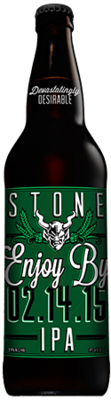
This exquisite liquid patchwork of more than a dozen hops is a devastatingly fresh double IPA. Freshness is a key component of many beers – especially big, hoppy IPAs – but we've taken it further, a lot further, with this one. We brewed this IPA specifically NOT to last. We've gone to extensive lengths to ensure you get your hands on this beer within an extraordinarily short window, and we've…